
What are Lipids? Types of Lipids and What You Need to Know About Fats
Published:
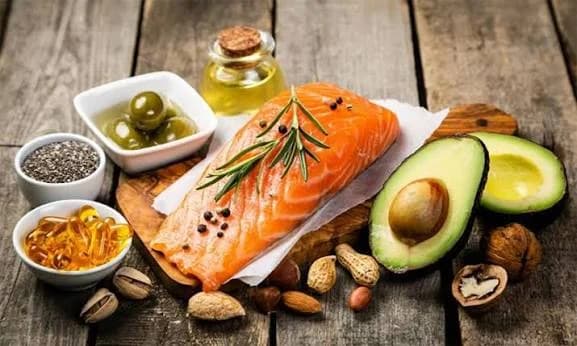
Lipids are organic compounds that play important roles in the survival of living organisms. In everyday life, when we say lipids, we mostly think of fats. However, lipids are not limited to fats. They encompass a wide group of compounds that play roles in various areas, from the structure of cells to energy storage, from the absorption of vitamins to many biological processes.
From a nutritional perspective, fats are a more concentrated energy source than carbohydrates and proteins. 1 gram of fat provides approximately 9 kcal of energy. Fats also help in the absorption of fat-soluble vitamins such as A, D, E, and K in the body.
Where are Lipids Found?
Lipids can be found in many living things, including plants, animals, and microorganisms. According to their sources, oils and fat-like compounds can generally be of plant, animal, or microbial origin.
Vegetable oils are obtained from the seeds, fruits, or other tissues of plants. Olive, sunflower, sesame, black cumin, flaxseed, pumpkin seed, safflower, soy, and corn oil are examples of this group.
Animal oils, on the other hand, are obtained from animal sources such as milk, meat, and fish. Fish oils, in particular, are noteworthy for their long-chain omega-3 fatty acids, EPA (eicosapentaenoic acid) and DHA (docosahexaenoic acid).
Why Are Fatty Acids Important?
One of the most important factors determining the properties of an oil is the type and proportion of fatty acids it contains.
Fatty acids are generally classified into three groups:
* Saturated fatty acids: They do not contain double bonds in their carbon chains. * Monounsaturated fatty acids: They contain one double bond in their structure. * Polyunsaturated fatty acids: They contain two or more double bonds in their structure.
For example, oleic acid is an example of a monounsaturated fatty acid; linoleic acid and alpha-linolenic acid are examples of polyunsaturated fatty acids.
Linoleic acid and alpha-linolenic acid are essential fatty acids that the human body cannot synthesize in sufficient quantities. Therefore, they must be obtained through diet.
Do Vegetable Oils Consist Only of Fatty Acids?
No. While vegetable oils primarily consist of triglycerides, they may also contain smaller amounts of other components depending on the plant from which the oil is obtained and the production method.
These include:
* Tocopherols (components of Vitamin E) * Phytosterols * Phenolic compounds * Carotenoids * Phospholipids * Volatile compounds
and other substances.
These components can affect the oxidative stability, color, aroma, and sensory properties of the oil.
For example, olive oil is known for its high oleic acid content and contains various phenolic compounds. Black cumin (Nigella sativa) oil, in addition to having its own unique fatty acid profile, contains characteristic components such as thymoquinone.
How Are Vegetable Oils Obtained?
The properties of an oil depend not only on which plant it is obtained from, but also on the method used to produce it.
Some of the methods used to obtain vegetable oils are:
Cold Pressing
Cold pressing is based on the mechanical squeezing of plant material. Less exposure to high temperatures can be advantageous in terms of preserving some heat-sensitive components.
Mechanical Pressing
Mechanical pressing is the separation of oil by physically compressing seeds or fruits. Cold pressing is also a type of mechanical pressing method.
Solvent Extraction
One of the methods used particularly in industrial production is solvent extraction. In this method, the oil is separated from the plant material with the help of a suitable solvent and then subjected to various processes.
The final properties of the oil do not depend solely on the extraction method. The type of plant, growing conditions, harvest time, storage conditions, and production processes can also affect the composition of the oil.
Are Fixed Oils and Essential Oils the Same Thing?
No. Fixed oils and essential oils are quite different products.
Fixed oils are oils that consist largely of triglycerides and are usually obtained from seeds, fruits, or other plant tissues. Olive oil, sesame oil, black cumin oil, and pumpkin seed oil are examples of fixed oils.
Essential oils, on the other hand, are concentrated mixtures of volatile components responsible for the characteristic scent and aroma of plants. Lavender oil, peppermint oil, tea tree oil, and rosemary oil are examples of essential oils.
Essential oils are mostly obtained by methods such as steam distillation or hydrodistillation. In some plant materials, mechanical pressing or other extraction methods may be used.
Evaluating an OilWhat Should Be Considered When Evaluating a Vegetable Oil?
When evaluating a vegetable oil, it is not enough to simply look at “which plant it was obtained from.” Several factors need to be considered together to understand the oil's properties.
The main ones are:
Botanical source: Which plant and which part of the plant the oil was obtained from.
Fatty acid profile: The ratios of saturated, monounsaturated, and polyunsaturated fatty acids.
Production method: Whether cold pressing, mechanical pressing, or different extraction methods are used.
Oxidative stability: The oil's resistance to oxidation.
Minor components: The presence of tocopherols, phytosterols, phenolic compounds, and other components.
All of these characteristics can affect the oil's intended use and its physical, chemical, and sensory properties.
Conclusion
Lipids are a broad and diverse group of compounds that cannot be defined simply as “fats.” The properties of oils; It can vary depending on its source, fatty acid profile, production method, and other components.
Especially when evaluating vegetable oils, it is important to consider **the plant's source, production method, fatty acid composition, oxidative stability, and minor components** together.
Therefore, it is not correct to categorize fixed oils such as olive oil, black cumin oil, sesame oil, and pumpkin seed oil with essential oils such as lavender, peppermint, rosemary, or tea tree oil. Each oil has its own unique chemical structure and properties.
Understanding lipids and the basic properties of fats forms an important foundation for evaluating the right product and its appropriate application in nutrition, food technology, cosmetics, personal care, and various industrial applications.