
Food-Grade Essential Oils: Can They Be Used in Cooking?
Published:
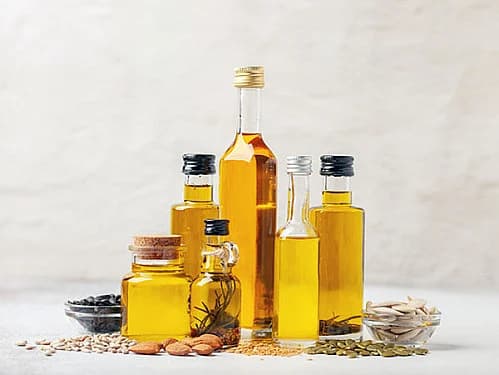
When we think of essential oils, most of us think of aromatherapy, natural fragrances, and personal care. However, some essential oils can also be used to flavor food and beverages, provided they meet the appropriate standards and are clearly labeled for food flavoring purposes.
There is an important distinction here: The fact that an essential oil is natural or of good quality does not, by itself, mean it can be taken orally. The product must be manufactured and labeled as suitable for food use. The FDA also states that the use of a component in food depends on the safety assessment under the conditions of use.
What are Food-Grade Essential Oils?
Food-grade essential oils are highly aromatic compounds derived from plants that can be used to flavor food and beverages.
Essential oils from lemon, orange, mint, rosemary, thyme, and some other plants can be used as flavorings in suitable products. However, not every lemon oil, every mint oil, or every rosemary oil on the market is suitable for food use.
For example, some essential oils are sold solely for aromatherapy purposes and may be specifically labeled by their manufacturers as "not for internal use".
Therefore, simply listing the plant name on the bottle is not sufficient. The intended use of the product and label information must be checked.
Why Are Essential Oils Used in Very Small Amounts?
One of the most important characteristics of essential oils is their high concentration. Therefore, the amount used in cooking can be quite low compared to other spices and aromas.
Even in products labeled for food use, it is not recommended to drink essential oils directly from the bottle or consume them undiluted. The amount to be used should be determined according to the product's own instructions.
For example, in some food flavorings, just a few drops may be enough to flavor an entire recipe. Therefore, the approach of "using more provides more aroma" is incorrect.
Which Essential Oils Can Be Used in Foods?
Different aroma groups can be found among products produced and labeled for food use.
Citrus Essential Oils
Oils from citrus fruits like lemon, orange, grapefruit, and others can be used to add flavor, especially in desserts, chocolate recipes, sauces, and some beverages.
For example, lemon flavor can create a different aroma profile in cakes, cookies, creams, or sauces.
Herbal and Spice Essential Oils
Food-grade essential oils derived from thyme, rosemary, and some other aromatic herbs can be used in sauces, soups, marinades, and various savory recipes.
Since these oils have a strong aroma, it's important to start with small amounts.
Peppermint and Spice Flavors
Intensely flavored oils like peppermint, cinnamon, and clove can be used to add flavor, especially in confectionery, chocolate, desserts, and hot beverages.
Even very small amounts of oils with strong aromas like peppermint and clove can create a noticeable flavor.
What to Consider When Using Food-Grade Essential Oils?
The most important rule is this:
Do not add an essential oil to food or beverages that is not explicitly labeled for consumption as food.
Also:
* Check the intended use on the product label. * Do not exceed the recommended amount. * Do not consume the essential oil directly from the bottle. * Do not use products sold for aromatherapy purposes as food. * Children, pregnant women, and people with special health conditions should seek professional advice before use. * Store the product in its original packaging and under the specified storage conditions.
It is also important to remember that the word "natural" does not mean "safe under all circumstances." The FDA specifically emphasizes that naturally derived ingredients should also be evaluated for safety.
Are Essential Oils and Flavorings the Same Thing?
Not always.
Some products may be essential oils intended directly for food use, while others are different formulations made from natural or artificial flavoring components.
Therefore, it is important for consumers to carefully examine the product label. Just because a product is described as “natural,” “pure,” or “essential oil” doesn’t automatically mean it’s suitable for food use.
Conclusion
Food-grade essential oils, when the right product is chosen and used according to the use instructions on the label, can add intense flavor to food and beverages.
Citrus oils like lemon and orange can be used in desserts; aromatic oils like rosemary and thyme in savory recipes; and oils like peppermint, cinnamon, and clove can add different flavors to some desserts and drinks.
However, the most important point is to know that not every essential oil is edible. Essential oils are highly concentrated products, and only products labeled as suitable for food use should be used for the stated purpose and in the specified quantities.
Resource
1.U.S. Food & Drug Administration (FDA) – Types of Food Ingredients 2.U.S. Food & Drug Administration (FDA) – Determining the Regulatory Status of a Food Ingredient 3.U.S. Food & Drug Administration (FDA) – Food Additives and GRAS Ingredients: Information for Consumers 4.U.S. Food & Drug Administration (FDA) – Aromatherapy 5.NOW Foods – Food-Grade Essential Oil FAQs 6.LorAnn Oils – Using Food Grade (Edible) Essential Oils 7.LorAnn Oils – The Cook's Guide to Using Essential Oils for Flavoring