
How Is Black Seed Oil Produced? A Guide to the Production Process
Published:
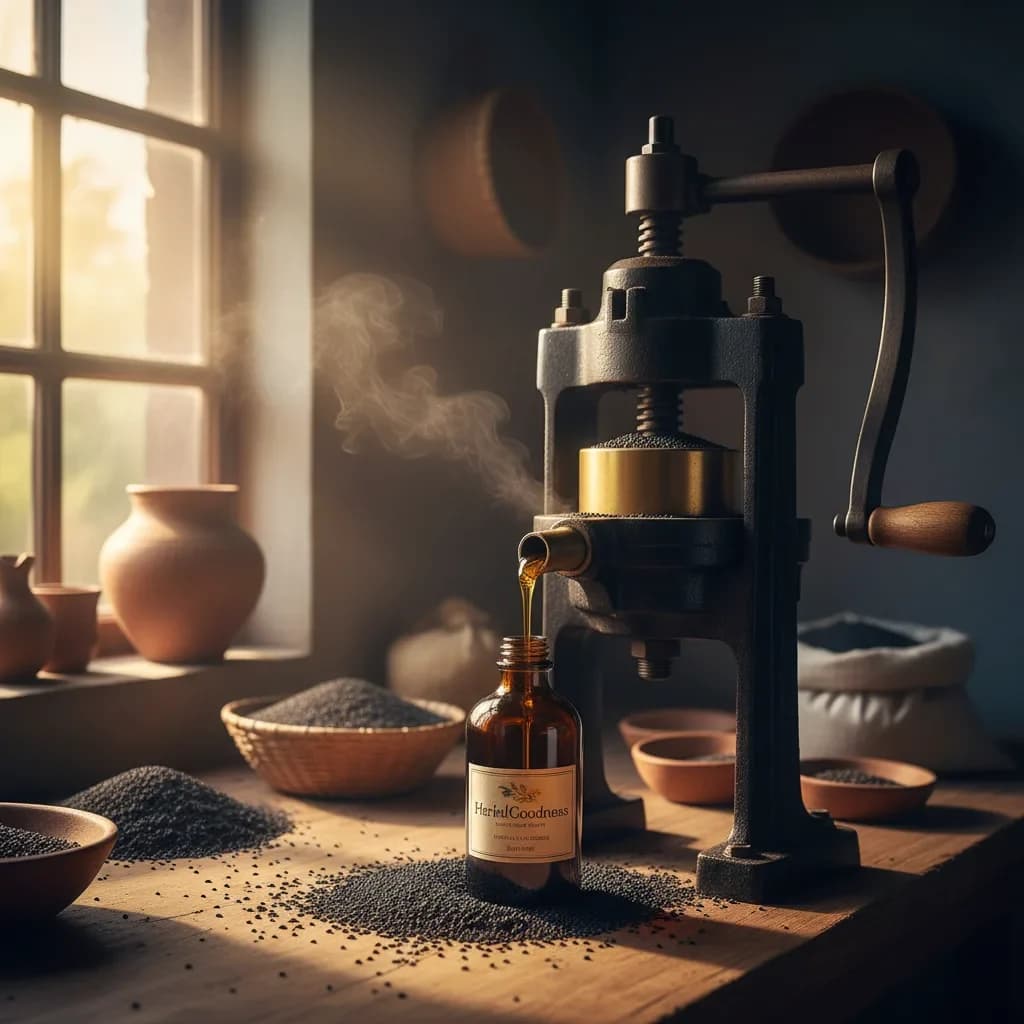
Black seed oil is a plant-based oil obtained from the seeds of Nigella sativa, a small flowering plant that has been used traditionally in many parts of the world. Also known as black cumin seed oil or Nigella sativa oil, it is valued for its distinctive aroma, characteristic flavor, and naturally occurring compounds.
But how is black seed oil actually produced? From selecting the seeds to bottling the finished oil, several steps can influence the quality of the final product.
1. Selecting High-Quality Seeds
The production of black seed oil begins with the selection of suitable Nigella sativa seeds.
The quality of the raw material is important because factors such as seed maturity, freshness, storage conditions, and growing conditions can affect the characteristics of the resulting oil.
Before processing, seeds should be clean, dry, and free from foreign materials.
2. Cleaning the Seeds
After harvesting, the seeds are carefully cleaned to remove dust, stones, plant residues, and other unwanted materials.
Proper cleaning is an important part of the production process because it helps ensure that only suitable seeds enter the pressing stage.
The seeds may also be inspected for visible damage or deterioration before processing.
3. Preparing the Seeds for Pressing
Once cleaned, the seeds are prepared for oil extraction.
Depending on the production method, factors such as seed moisture, temperature, and pressing conditions may be controlled before the seeds enter the press.
For cold-pressed black seed oil, the aim is to obtain the oil through mechanical pressure while avoiding unnecessary heating during processing.
4. Cold Pressing
One of the commonly used methods for producing black seed oil is cold pressing.
During this process, the cleaned Nigella sativa seeds are placed into a mechanical press. Pressure is applied to the seeds, causing the oil to separate from the solid plant material.
The resulting liquid is raw black seed oil. Its color, aroma, and flavor can naturally vary depending on the seeds and production conditions.
Cold pressing is valued because it uses a mechanical extraction process rather than relying primarily on chemical solvents.
5. Filtration
Freshly pressed oil may contain very small particles of seed material. Filtration can be used to remove these suspended particles and produce a cleaner-looking oil.
The degree and method of filtration can vary between producers.
Some naturally occurring particles may remain in minimally processed oils, so appearance alone should not be used as the only indicator of quality.
6. Quality Control
Quality control is an important stage before the oil is bottled.
Depending on the product and applicable standards, producers may evaluate characteristics such as appearance, aroma, acidity, oxidation indicators, and other quality parameters.
The chemical composition of black seed oil can vary according to the origin of the seeds, cultivation conditions, processing method, and storage conditions.
7. Bottling and Packaging
After processing and quality checks, the oil is transferred into suitable containers.
Packaging is particularly important because exposure to light, oxygen, heat, and moisture can affect the quality of vegetable oils over time.
Dark-colored bottles, including amber glass, are commonly used for products that require protection from light.
The bottle should be properly sealed to reduce unnecessary exposure to air.
Cold-Pressed Black Seed Oil vs. Other Extraction Methods
Cold pressing is not the only way to obtain oil from Nigella sativa. Different extraction techniques may be used depending on the desired product and production goals.
Cold-pressed oil is produced primarily through mechanical pressing, while other methods may involve different extraction technologies.
Therefore, when buying black seed oil, it is useful to check the production method, ingredients, intended use, packaging, and manufacturer information rather than relying solely on terms such as “natural” or “pure.”
How Should Black Seed Oil Be Stored?
Once bottled, proper storage is essential for maintaining the oil's quality.
Black seed oil should generally be protected from direct sunlight and excessive heat. The bottle should remain tightly closed when not in use and stored according to the manufacturer's instructions.
A cool, dry, and dark place is generally suitable unless the product label specifies different conditions.
Conclusion
Black seed oil is produced from the seeds of Nigella sativa through a series of carefully controlled steps. The process generally includes seed selection, cleaning, preparation, pressing, filtration, quality control, and packaging.
Cold pressing is one commonly used mechanical method for obtaining black seed oil. However, the quality of the finished product depends not only on the extraction method but also on the quality of the seeds, processing conditions, packaging, and storage.
For consumers, understanding how black seed oil is produced makes it easier to compare products and make informed choices.
From seed selection to the final bottle, every stage of production contributes to the quality of black seed oil.