
How Should Natural Oils Be Stored? 7 Essential Rules for Preserving Quality
Published:
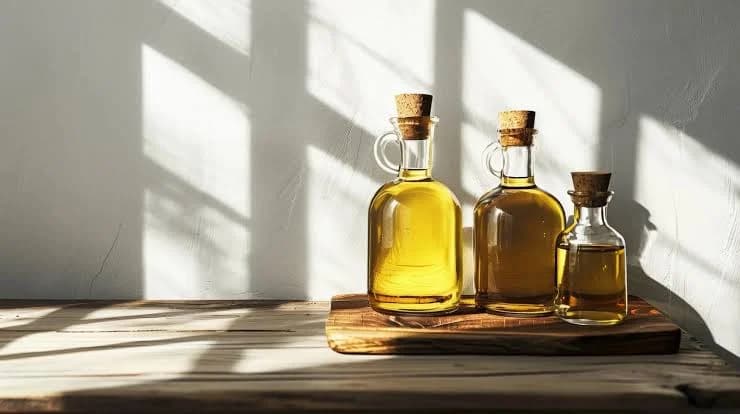
Proper storage is just as important as the production method when it comes to maintaining the quality of natural oils. Vegetable oils can be affected by environmental factors such as light, heat, oxygen, and moisture. When stored under unsuitable conditions, oils may gradually experience changes in their aroma, taste, color, and overall quality.
Whether you are storing fixed oils such as black seed oil, sesame oil, pumpkin seed oil, and jojoba oil, or essential oils such as lavender, peppermint, rosemary, and tea tree oil, proper storage conditions are important.
So, how should natural oils be stored?
1. Keep Them Away from Direct Sunlight
One of the most important rules for storing natural oils is to protect them from direct sunlight.
Sunlight, particularly UV exposure, may affect certain oil components over time and can accelerate oxidation.
For this reason, instead of leaving natural oils on a windowsill, balcony, or countertop exposed to direct sunlight, it is better to store them in a cool, dark place, such as a closed cupboard.
2. Protect Them from Excessive Heat
High temperatures can accelerate the oxidation process in oils. Therefore, natural oils should not be stored directly next to radiators, ovens, stoves, or other heat sources.
In general, a cool, dry environment with minimal temperature fluctuations is preferable.
Some products may have specific storage requirements, so always follow the storage instructions provided on the product label.
3. Keep the Bottle Tightly Closed
Once a bottle of oil is opened, the product begins to come into contact with air. Prolonged exposure to oxygen may affect the quality of oils that are particularly sensitive to oxidation.
Therefore, it is important to close the bottle tightly after each use.
Avoid leaving the bottle open for longer than necessary.
4. Choose Suitable Packaging
The packaging used to store an oil also matters. For oils that are sensitive to light, dark-colored glass bottles can help reduce exposure to light.
Amber glass bottles are therefore commonly preferred for many natural oils.
However, packaging alone is not enough. The product should also be stored under appropriate temperature and light conditions.
5. Keep Water and Moisture Away from the Oil
Water or moisture entering an oil bottle may negatively affect the product. For this reason, wet spoons, droppers, or other equipment should not be introduced into the bottle.
Keeping the bottle opening clean and dry during use is a good storage practice.
6. Not Every Oil Needs to Be Refrigerated
There is no general rule that says all natural oils must be stored in the refrigerator.
Some oils may become cloudy or solidify at low temperatures. This does not necessarily mean that the oil has spoiled.
The best approach is to follow the storage instructions provided on the product label.
7. Check the Oil's Aroma and Appearance
Natural oils may undergo noticeable changes over time. In particular, oxidation can cause changes in an oil's aroma and taste.
If you notice an unusual or significantly unpleasant odor, an unexpected change in appearance, or another indication of deterioration, the product should be carefully evaluated before use.
The Most Important Rules for Storing Natural Oils
In short, protect your natural oils from:
Light + Heat + Oxygen + Moisture
In addition, keep the bottle closed after use, choose suitable packaging, and follow the storage instructions provided on the product label.
Conclusion
Proper storage plays an important role in maintaining the quality of natural oils for as long as possible. A cool and dry environment away from direct sunlight and excessive heat, together with suitable packaging and good handling practices, can help preserve the natural characteristics of the oil.
Remember: A quality natural oil can preserve its properties for longer when it is stored under the right conditions.