
What is cold-pressed oil? How is it obtained and why is it preferred?
Published:
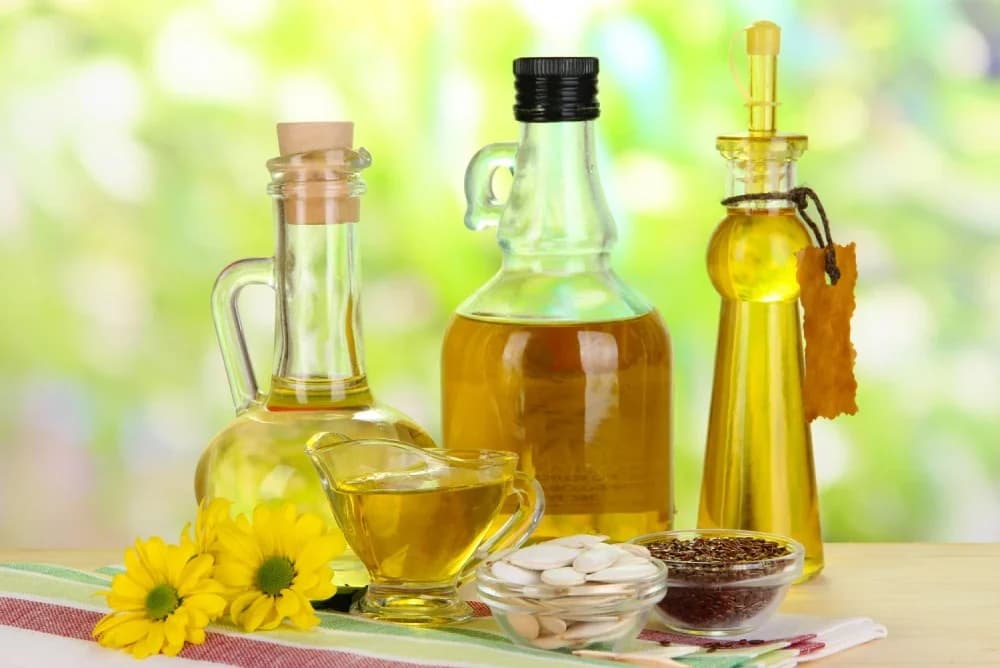
Interest in natural and plant-based oils is increasing today. Cold-pressed oils, in particular, are frequently preferred because they preserve the unique properties of the plants.
So, what is cold-pressed oil? How is it obtained? What is the difference from other oils? In this article, we will try to answer the basic questions you may have about cold-pressed oils.
What is Cold-Pressed Oil?
Cold-pressed oil is a vegetable oil obtained by mechanically pressing oil-rich seeds, kernels, or fruits.
This method primarily uses a physical pressing process to obtain the oil. The aim is to avoid high temperatures as much as possible during the production process.
Oil can be obtained from various plants, from black cumin, sesame, and pumpkin seeds to jojoba, using the cold-press method.
How is Cold-Pressed Oil Obtained?
The cold-press production process generally consists of several stages.
1. Raw Material Selection
First, high-quality seeds, kernels, or fruits that have reached the appropriate maturity are selected. The quality of the raw material used can directly affect the properties of the oil.
2. Cleaning
Raw materials are separated from dust, stones, shell fragments, and other foreign matter, making them suitable for pressing.
3. Pressing
The cleaned plant material is fed into a mechanical press machine. During pressing, it is compressed to separate the seed or kernel oil by applying the appropriate temperature.
4. Filtration and Filling
The oil obtained after pressing can be filtered to remove any particles it contains. Then, it is filled into suitable packaging.
The final quality of the product is determined by considering many factors together, such as raw materials, pressing conditions, filtration, storage, and packaging.
What is the Difference Between Cold Pressed Oil and Refined Oil?
Cold pressed and refined oils can go through different production processes.
In cold pressed oils, the basic approach is to obtain the oil using mechanical methods and to preserve the natural properties of the oil as much as possible.
In refined oils, various physical and chemical processes may be applied to improve the appearance, smell, taste of the oil, or to remove unwanted components.
Therefore, differences in color, odor, taste, and composition can be observed between the two products.
However, the term "cold-pressed" alone does not mean that an oil is of higher quality or more beneficial in every aspect for everyone. Product quality should be evaluated together with the quality of the raw materials used and all production stages.
What are the Characteristics of Cold-Pressed Oils?
The characteristics of the plant used in cold-pressed oils may be more pronounced. The color, odor, and taste of the oil may vary depending on the type of plant used.
For example, black cumin oil has an intense aroma and characteristic dark color, while sesame oil may have a different aroma and color profile. These differences depend on the type of raw material used and the production conditions.
What Should You Pay Attention to When Buying Cold-Pressed Oil?
When buying cold-pressed oil, it is important to evaluate the entire product instead of just looking at the term "cold-pressed."
Examine the label: Check the ingredients, net quantity, manufacturer information, batch information, and storage conditions.
How Should Cold-Pressed Oils Be Stored?
In general, oils:
* Should be kept away from direct sunlight, * Should not be left in excessively hot environments, * Should be tightly closed after use, * Should not be left open for unnecessarily long periods.
Some vegetable oils may be more susceptible to oxidation. Therefore, the storage instructions on the product label should be followed.
Where are Cold-Pressed Oils Used?
The use of cold-pressed oils varies depending on the type of oil and the intended use of the product.
Some oils are used for food purposes, while others can be used in cosmetics or personal care products. Therefore, not every cold-pressed oil should be considered suitable for direct consumption.
The intended use and usage instructions on the product label should always be taken into account.