
What Is Black Seed Oil? A Guide to Nigella Sativa Oil
Published:
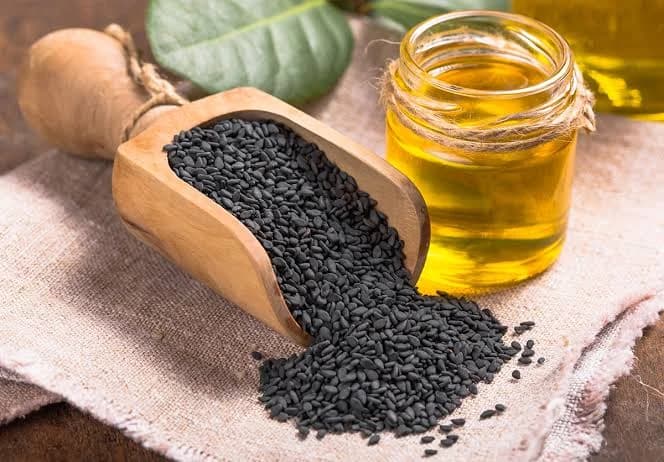
Black seed oil is a natural vegetable oil obtained from the seeds of Nigella sativa, a flowering plant belonging to the Ranunculaceae family. Also known as black cumin seed oil or Nigella sativa oil, black seed has been used traditionally in different cultures for centuries, particularly across the Middle East, North Africa, and South Asia.
Today, black seed oil is widely recognized as a natural plant-based product and is used in food, personal care, cosmetics, and traditional wellness practices.
What Is Nigella Sativa?
Nigella sativa is a small annual flowering plant that produces distinctive black seeds. The seeds have a characteristic aroma and slightly bitter, spicy flavor.
The plant is known by several names around the world, including black seed, black cumin, black caraway, and Nigella sativa. In Islamic tradition, black seed is also known as “Habbat al-Barakah” and “Habbat al-Sawda” (Habbetü's-Sevda).
The seeds themselves and the oil obtained from them are different products and may have different compositions and uses.
How Is Black Seed Oil Produced?
Black seed oil is commonly obtained from the seeds of Nigella sativa. One of the methods used to produce high-quality vegetable oil is cold pressing.
During cold pressing, cleaned black seeds are mechanically pressed to release their oil. The resulting oil may then be filtered to remove suspended particles before being bottled.
The quality and characteristics of black seed oil can vary depending on factors such as seed quality, growing conditions, harvesting, processing methods, filtration, packaging, and storage.
What Does Black Seed Oil Contain?
Black seed oil contains a variety of naturally occurring compounds. Its composition may vary depending on the origin of the seeds and the production process.
The oil contains different fatty acids, including linoleic acid, oleic acid, and palmitic acid, as well as other naturally occurring components.
One of the most widely studied compounds associated with Nigella sativa is thymoquinone. Researchers have investigated thymoquinone and other components of black seed in laboratory and clinical studies.
However, scientific research on individual compounds should not automatically be interpreted as proof that black seed oil can prevent or treat a particular disease.
Traditional Uses of Black Seed Oil
Black seed has a long history of traditional use. The seeds have traditionally been consumed as a spice or food ingredient, while the oil has been used in various traditional practices.
In many cultures, black seed has been incorporated into foods, beverages, and traditional preparations.
Its historical importance is also associated with Islamic culture, where Nigella sativa is known as Habbetü's-Sevda. References to black seed appear in classical Islamic sources, contributing to its continued cultural significance.
How Is Black Seed Oil Used Today?
Modern uses of black seed oil depend on the product and its intended purpose.
Some products are formulated for food use, while others are intended for cosmetic or personal-care applications. Therefore, consumers should always check the product label before using black seed oil.
For food products, only oils specifically labeled and marketed for food use should be consumed. Cosmetic oils should not automatically be assumed to be suitable for ingestion.
Black seed oil is also found as an ingredient in various personal-care and cosmetic formulations.
How Should Black Seed Oil Be Stored?
Proper storage can help preserve the quality of black seed oil.
It is generally advisable to:
* Keep the bottle away from direct sunlight. * Protect it from excessive heat. * Keep the cap tightly closed after use. * Store it according to the manufacturer's instructions. * Avoid unnecessary exposure to air and moisture.
Dark-colored bottles, such as amber glass, are commonly used for oils that need protection from light.
What Should You Consider When Buying Black Seed Oil?
When choosing black seed oil, look beyond the name of the product. Check the ingredient list, production method, intended use, packaging, manufacturer information, and storage instructions.
A clear product label can help you understand whether the oil is intended for food, cosmetic, or other applications.
It is also important to remember that “natural” does not automatically mean suitable for every person or every purpose. People who are pregnant, breastfeeding, taking medication, or managing a health condition should seek appropriate professional advice before using concentrated plant products.
Conclusion
Black seed oil is a plant-based oil obtained from the seeds of Nigella sativa. With its long history of traditional use and its naturally occurring compounds, it continues to attract interest in food, cosmetics, personal care, and scientific research.
Understanding the difference between traditional use, cosmetic use, food use, and scientifically established health effects is important when choosing and using black seed oil.
The best approach is simple: know the product, read the label, follow the recommended use, and store the oil properly.